


Fall applied herbicides

Share This Article

Facebook
Twitter
LinkedIn

Fall Applied Herbicide Strategies

Steve Doench, Head of Sustainable Agronomy

This season crops are progressing well, and the harvest timeframe looks to be on time to slightly ahead of schedule.  With the outlook looking good for timely harvest, the option of applying fall herbicides looks to be more available than in years with delayed crop maturity and a later harvest window.

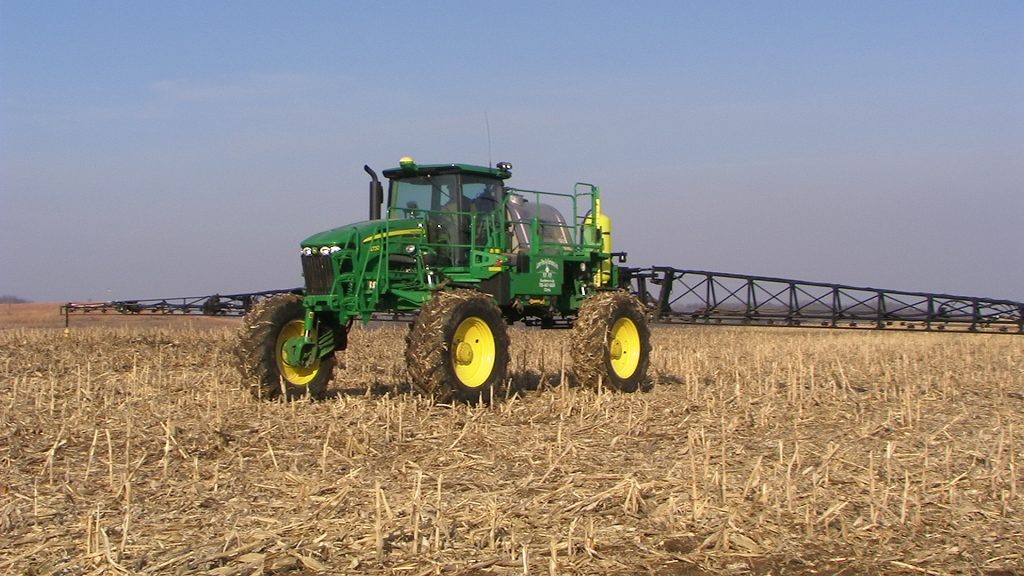
Fall herbicide applications are a useful strategy for controlling difficult weeds such as winter annuals like marestail as well as biennial and perennial weeds.  In the fall, these types of weeds are easier to control.  Fall herbicide applications typically involve using a tank mix of a post-emergence herbicide like glyphosate, dicamba, or 2,4-D with a residual herbicide that is compatible with the crop to be planted in the spring.

Canadese fijnstraal plant Conyza canadensis

The benefit of fall herbicide applications is especially useful for no-till systems that rely on good pre-season weed control.  After successful fall herbicide applications, growers should expect clean fields until planting is underway, allowing for better crop establishment in the spring.

Fallow ground weed control

Is there a best time to do fallow ground weed control?

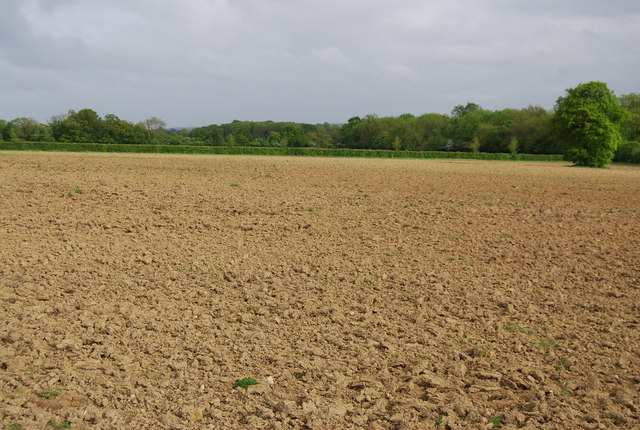
Fields that have been left fallow for a season or longer most likely have a significant population of weeds growing and have been building their weed seed bank. Although tillage is an option to control the weeds, it might spread weeds that grow through vegetative propagation. It also will not prevent weeds from germinating in the spring. Tillage might also promote undesirable erosion.

To be adequately controlled by herbicide, weeds need to be actively growing. Therefore, the end of summer and early fall can be a good time to start preparing the fields for next season growing. However, seeds will continue to germinate before and during the growing season, so multiple applications of pesticides might be necessary to control the germination of seeds that are in the weed seed bank over time.

Selecting the right herbicide is important. A contact herbicide typically works better on smaller weeds than larger ones. Systemic pesticides move through the plant and might be better for larger weeds present later in the season. Contact herbicides often do not have any soil residual activity. They can be used shortly before the planting of the crop, while systemic pesticides often require an application at least ninety days before planting crops.

Things to consider when selecting the right herbicide for fallow grounds are:

  • The type of weed
  • The timing of the application
  • Size of weeds
  • Mode of action of the herbicide

General fall herbicide application tips

Apply fall herbicides in mid-late fall before the ground is frozen and when weeds are still growing and not already frosted off.  When a residual herbicide is part of the tank mix, waiting until soils are below 50 degrees will allow for their persistence and extended control into early spring.

  • Use higher use rates than for spring burndown applications.
  • Consider using multiple modes of action when possible.
  • Only apply residual herbicides that are compatible with the crops to be planted in the spring.
Apply fall herbicides in mid-late fall before the ground is frozen and when weeds are still growing and not already frosted off.

Always follow label instructions for rate and recommended adjuvants to ensure proper application to prevent herbicide resistance. Fall weed management strategies should always include label-recommended adjuvants. Effective applications include the combination of the right active ingredient, the application right timing, and effective delivery of the AI to the target weed. Adjuvants that improve spreading, deposition, or penetration of the active ingredient through waxy leaf cuticles can help ensure your fall herbicide application is effective.

Interested to Receive regular US Crop Update this season?
Sign up for our Newsletter:

turf industry interview brad debels weed man lawn care Wisconsin turf association

Cutting-Edge Perspectives: Dr. Brad DeBels on the Turf Industry

Listen in as Brad DeBels, a prominent figure in the turf industry and the President of the Wisconsin Turfgrass Association, discusses current turf challenges, provides insight on the increasing value of turf, and shares his perspectives on the future of the green industry.

The Secret to Tank Mixing Pesticides

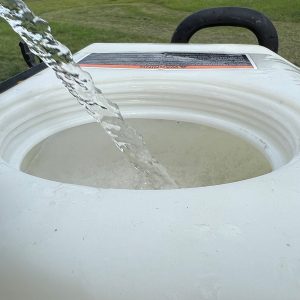
Pesticides and herbicides require proper mixing and application to be effective in preventing weed takeovers. WALES and other acronyms are a trick to ensure optimal mixing. Following proper mixing order can alleviate foam, sludge, broken emulsions, and other reactions that can occur through mixing.

Enhancing Turf and Ornamental Applications with Deposition Aids

In turf and ornamental applications, the effective use of spray applications is crucial for maintaining the health and aesthetics of landscapes. Among the various factors contributing to success, incorporating deposition aids is a critical element that can significantly elevate the outcomes.

Surface Tension: Secrets of an Effective Tank Mix

Formulation understanding begins in the lab, where researchers study how liquids behave under specific conditions. This knowledge aids users in predicting real-world product performance. Exacto Chemist Chris Walter discusses surface tension in the Research to Real-World series, helping applicators grasp the importance of surfactant and wetting agent chemistry.

Follow Exacto, Inc.

Featured Product

Want to receive our next blog in your mailbox?

Solutions Offered

Research, Development, and Innovation

Exacto has strong research and product development capabilities build on 40 years of experience. We offer customized product development services to meet your specific pesticide, fertilizer, biostimulant, biopesticide, adjuvant, or seed treatment needs.

Private Label Service

Our full-service specialty chemical development and commercialization program provides access to the latest technologies and the technical and marketing support needed to establish a successful custom branded product program, including in-house label design and printing capabilities.

Regulatory

Monitoring the regulations that affect your day to day operations, Exacto’s regulatory compliance staff provides a wealth of information for both our associates and partners for expert advice to navigate the complicated world of local, state, federal, and international rules and regulations.