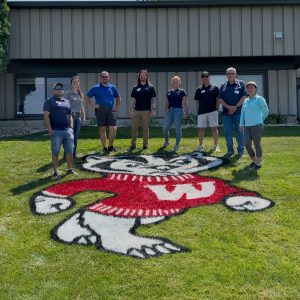
Field Day Research Highlights: Home lawn, Topdressing, Disease Control
RDI Director, Glen Obear, shares insight on topdressing, turf disease, and other research from a field day at the O.J. Noer Turfgrass Research and Education Facility.

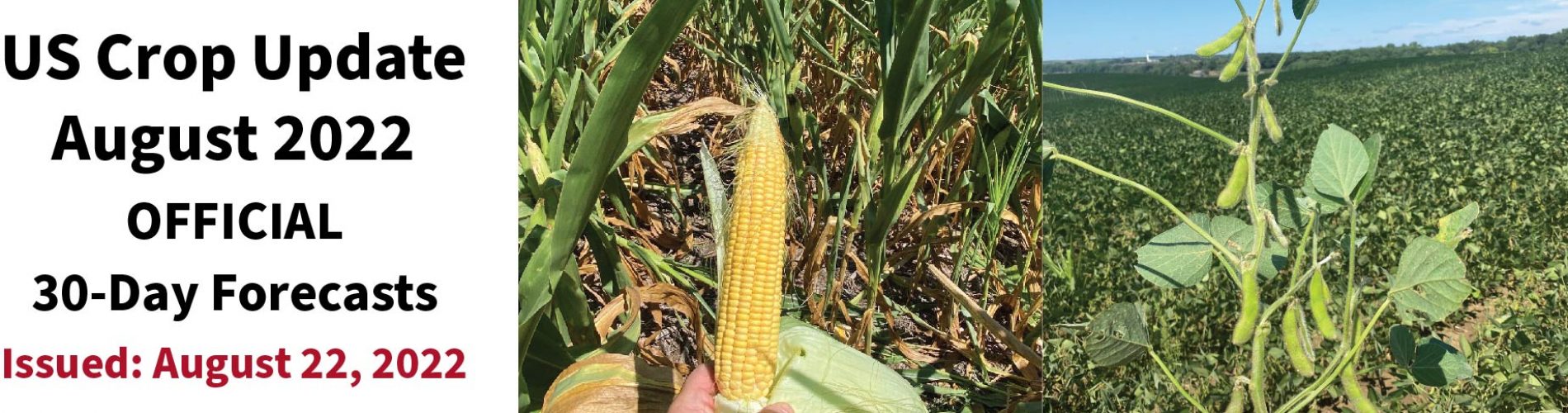

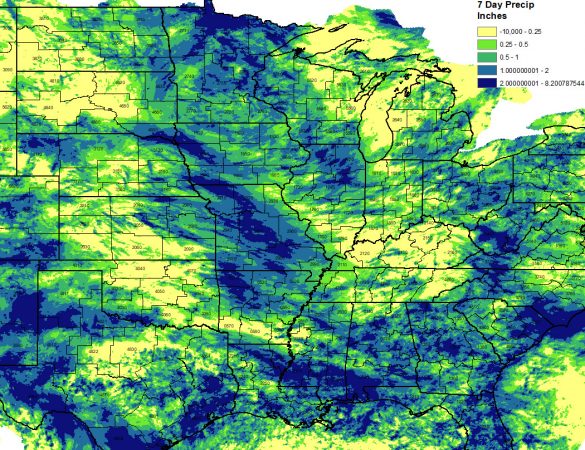
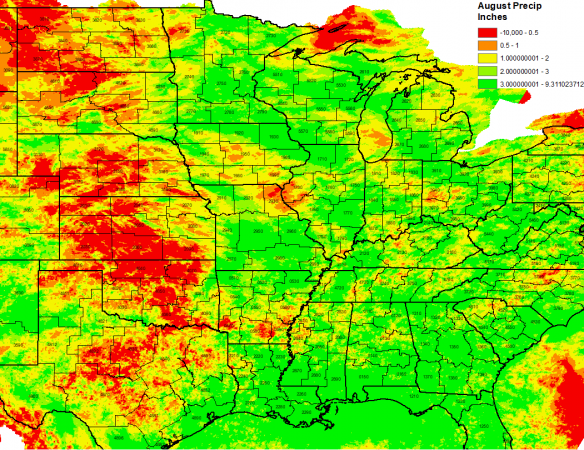
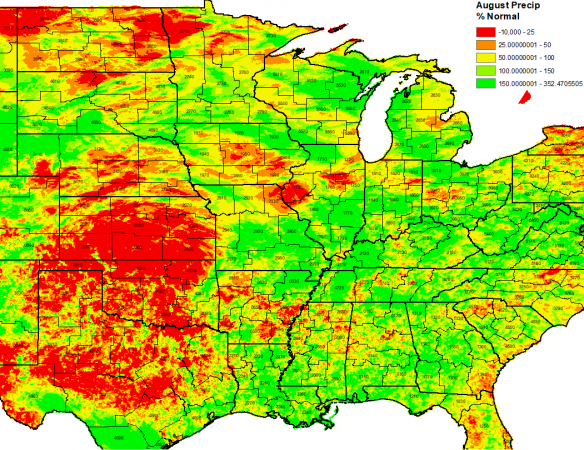
2022 US Crop Yield Estimates are declining as crop conditions degrade and enough dry areas exist to cap yield expectations. Rainfall and cooler weather did recently help in many areas. The sum of late planting and periods of heat and dryness this summer has prevented yield potential from reaching record levels and final yield will hinge on how well grain fill finishes.
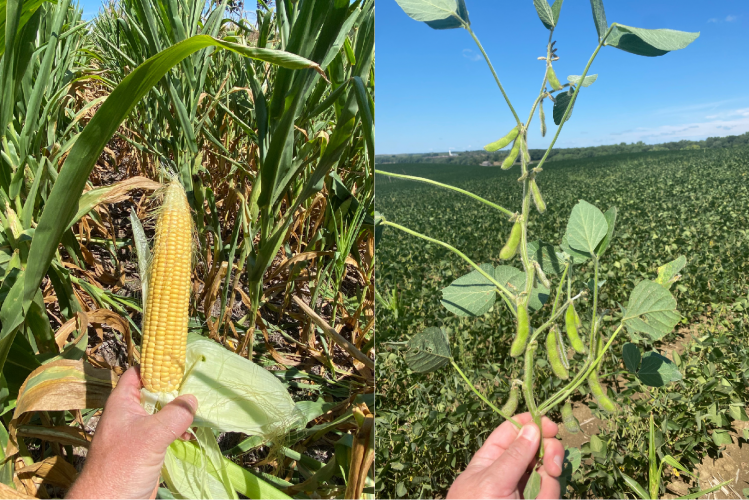
Widespread rainfall this past week helped western Iowa the most. Cooler weather also is beneficial to grain fill and reducing water stress. A quick trip to parts of eastern Nebraska and western Iowa shows many crops under drought stress. Corn appeared to retain decent kernel numbers, but likely will have smaller kernel size/weights and lower yield potential. Soybeans are setting fewer pods than normal and have a higher risk of lower-than-expected yields in drier areas than corn which was largely able to pollinate well.
The forecast continues to show a warmer and drier finish to the crop season in the central and northern corn-belt. Short-term cooler conditions in the eastern corn-belt are helpful, but the lack of widespread rainfall continues to hurt grain fill in the western corn-belt.
RDI Director, Glen Obear, shares insight on topdressing, turf disease, and other research from a field day at the O.J. Noer Turfgrass Research and Education Facility.
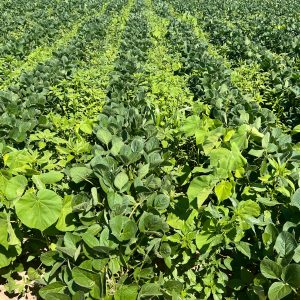
Exacto Field Development Manager, Lia Marchi Werle explains how field trials add value in the adjuvant and crop protection industry.
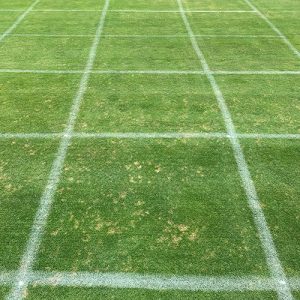
Join in on this cutting-edge perspective featuring Paul Koch, Associate Professor, Department of Plant Pathology at the University of Wisconsin Madison, with Glen Obear, Exacto RDI Director, as they discuss past, present, and future turf research.
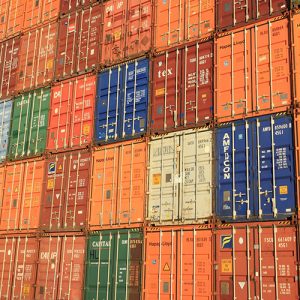
Tune into this Cutting-edge Perspectives with Dr. Rick Beardmore, President and General Manager at UniPro Solutions, and Bob Herzfeld, Exacto, Inc. Product Manager, as they discuss current supply chain issues from US production and imports to price interpretations and supply expectations.
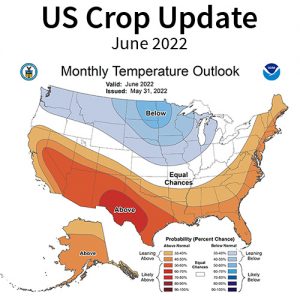
With Preventive Planting deadlines nearing, some areas are struggling to get crops in the ground. Other areas have completed planting and are already catching up with emergence, but remain behind the yearly average. Read to learn more about the current state of the US Crop and the forecast for June 2022.
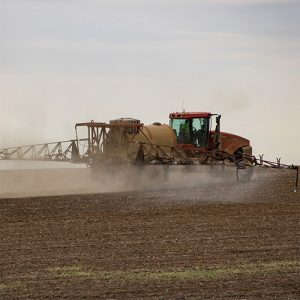
Watch the interview with Joe Gednalske, Director of Education – Adjuvant Development at the CPDA and Bob Herzfeld, Product Manager at Exacto below and listen to their perspective on industry developments.
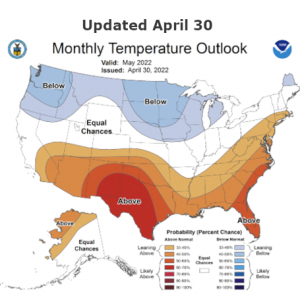
With the cool and wet weather planting has been delayed in many areas. The winter wheat has its lowest crop condition ratings in 20 years. Read to learn more about the current state of the US Crop and the forecast for May 2022.
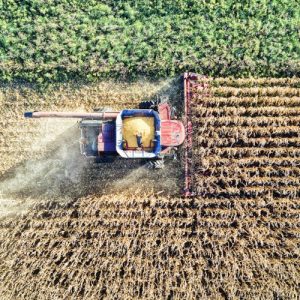
Watch the interview with Dr. Bryan Young, Professor of Weed Science, Purdue University and Dr. Glen Obear, Director of Research, Development, and Innovation at Exacto below and listen to the latest information about what Bryan is working on.
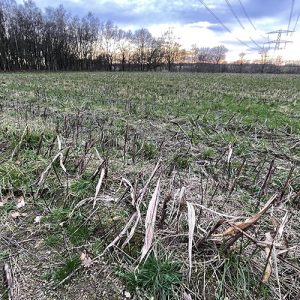
Facing supply shortages and exponentially higher glyphosate prices in 2022, finding alternatives for spring burndown applications is becoming relevant. For no-till farms, effective burndown applications are key to a good start to the season.
Chemical inputs for 2022 continue to be constrained. Application timing can lead to a higher pesticide usage rate, leading to glufosinate and glyphosate shortages when supplies are tight.
Gain insight into how adjuvants can help optimize pesticide efficacy, ensuring that every ounce will deliver the best results possible.
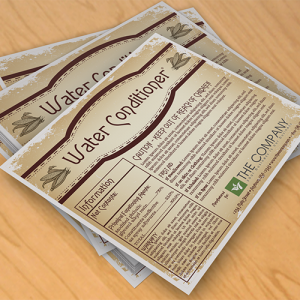
Trademarking helps protect the investment and image of your branded products and company name. Read more about the “ins and outs” of trademarking and why it is important.
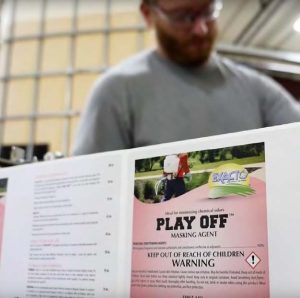
While we know that there are a thousand demands on your time and attention, a few minutes spent on understanding the adjuvant label will result in more effective applications. Read more to find an example of what the front and backside of an adjuvant label looks like, accompanied by thorough explanations of each section.
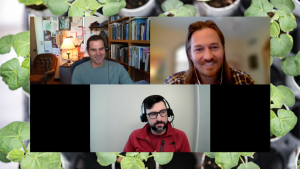
Watch the discussion below in which Dr. Glen Obear, Director of RDI at Exacto, Inc., interviews two university researchers at the cutting edge of their fields – Dr. Matteo Serena, Professional Researcher at the University of California-Riverside, and Dr. Doug Soldat, Turfgrass Extension Specialist at the University of Wisconsin-Madison.
At Exacto, we recognize that we have a great responsibility and purpose in this world – one that extends beyond the work we do in our day-to-day job. Giving back to the community and volunteering our time to help others is part of our company culture at Exacto.
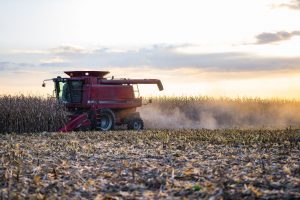
The 2021 US corn and soybean crop season saw a return to farming profitability as a bull market for agricultural commodities was established ahead of reactive land and input cost price increases by the end of the harvest. Farming is a cyclical business with lots of unknowns; the cycles seem to change faster and faster as the global economy can create surplus and shortage situations on a very short time scale.
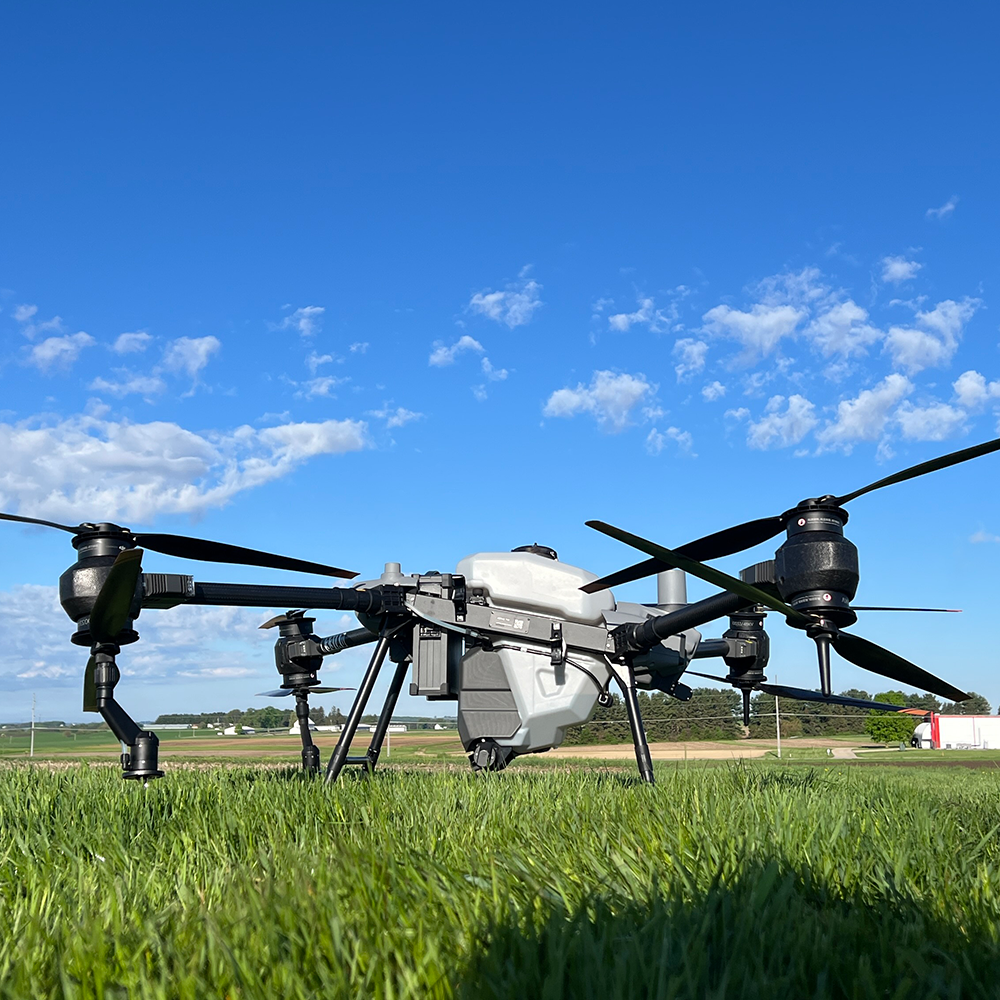
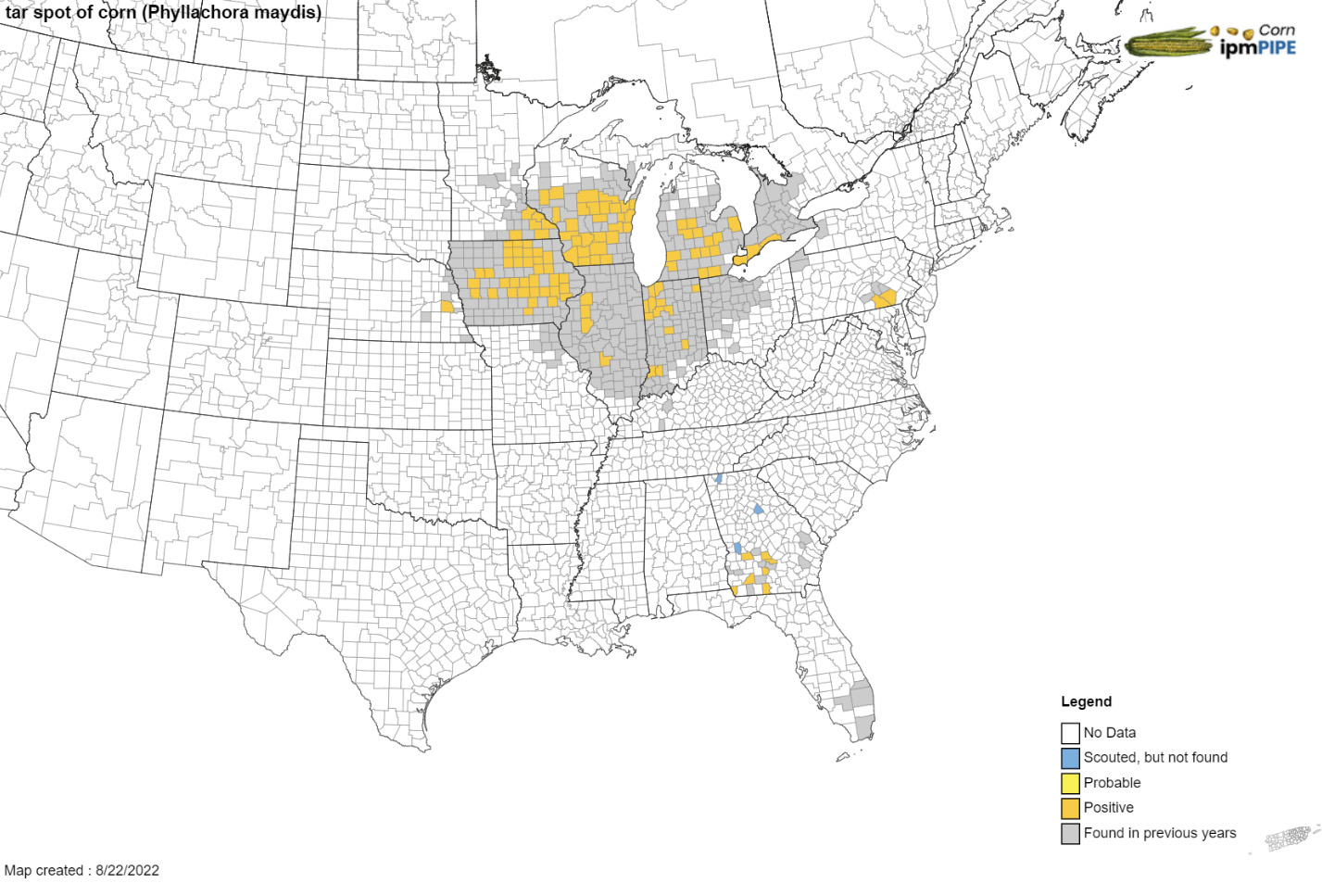
Crop dusters and spray drones are taking flight, but is what’s in the tank enough to take on this year’s disease pressure? A strong fungicide or insecticide application can make or break a successful cropping season, but the optimum tank mix is incomplete without the right adjuvants.